




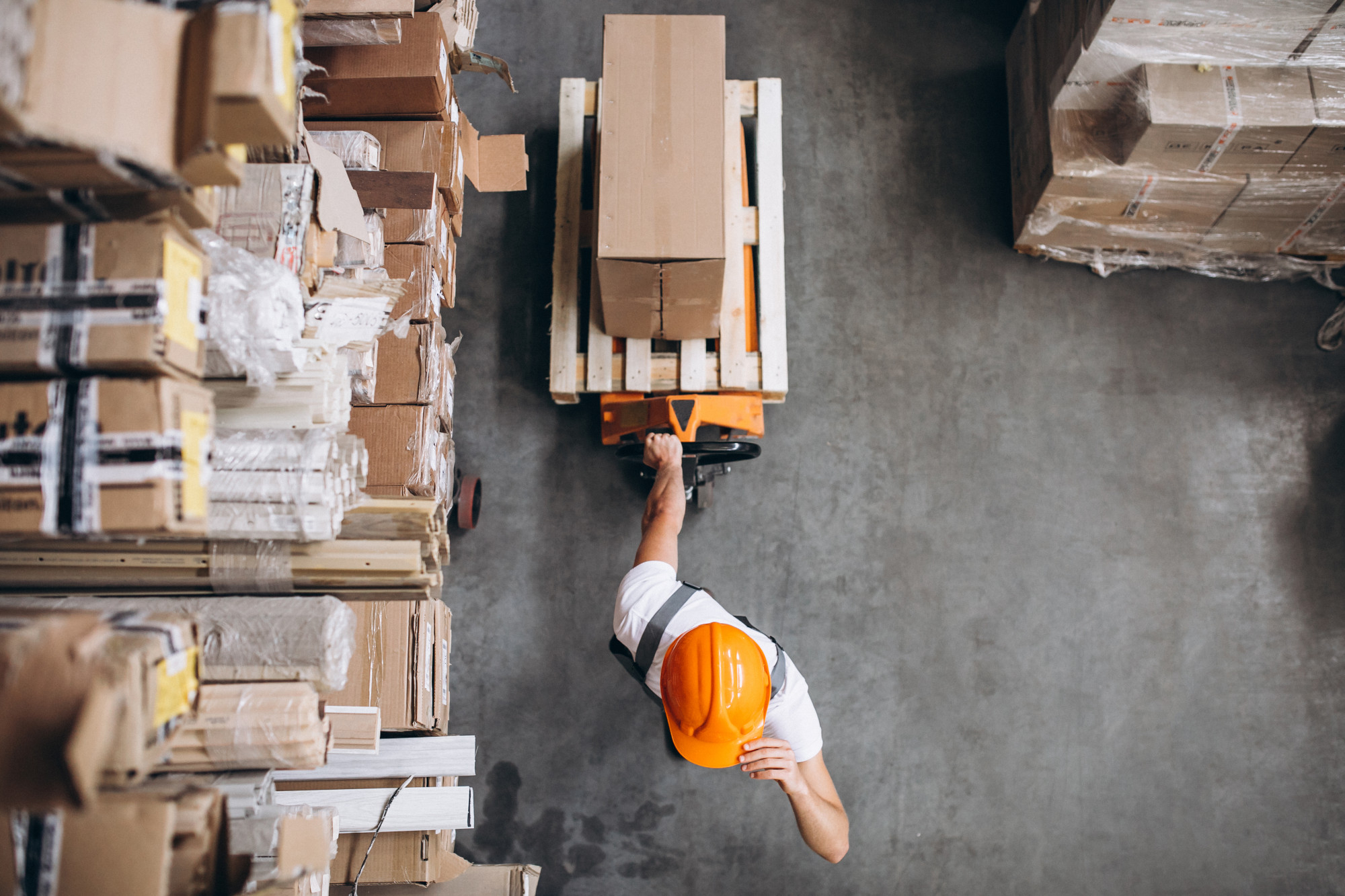


High-turnover industrial sectors require rapid, orderly logistics solutions capable of sustaining frequent handling cycles. Components, semi-finished products and packaged goods continuously pass from one phase to another of the supply chain.
In these contexts, sustainable secondary packaging takes on a strategic role for protecting materials, reducing waste and improving operational efficiency.
What Secondary Packaging Is
Secondary packaging is the packaging that protects and organises already-packaged products or components intended to be handled along the supply chain. It does not replace primary packaging, but supports its logistical management.
In high-turnover industrial sectors, secondary packaging must be resistant, practical and designed for repeated use.
The Needs of High-Turnover Sectors
Automotive, cosmetics, pharmaceuticals, food, electronics and manufacturing are examples of sectors with continuous handling. In these contexts, packaging must guarantee:
- protection from impacts and vibrations;
- stability during transport and storage;
- ease of handling;
- orderly organisation of materials;
- reuse possibilities;
- efficient management of empty returns.
Correctly designed secondary packaging contributes to reducing damage, slowdowns and waste.
Why Choose Sustainable Solutions
Sustainability does not only concern the material used, but the entire lifecycle of the packaging. Reusable packaging allows the use of disposable solutions to be limited and the quantity of waste produced to be reduced.
In high-turnover flows, even a small reduction in waste can generate a significant impact over time.
The Role of Corrugated Polypropylene
Corrugated polypropylene is a technical material particularly suitable for producing sustainable secondary packaging. Its structure allows lightweight yet resistant containers, dividers and protection systems to be obtained.
Among the main advantages we find:
- lightness, useful for reducing load weight;
- impact resistance, important in repeated cycles;
- hydrophobicity, suitable for variable production environments;
- ease of cleaning, useful for reuse;
- customisation, for adapting to different products and flows;
- recyclability, thanks to the single-material nature of PP.
These characteristics make the material suitable for dynamic, multi-sector supply chains.
Reuse, Modularity and Space Optimisation
Sustainable secondary packaging can be designed in modular, stackable or collapsible form. These characteristics allow space to be optimised during storage and transport.
Internal dividers, shaped inserts and custom configurations allow materials to be kept orderly and protected.
A Strategic Choice for Industrial Logistics
Adopting sustainable secondary packaging for high-turnover industrial sectors means improving protection, efficiency and environmental responsibility.
For companies that continuously move large volumes, secondary packaging becomes an essential operational tool.
We are here to find the right solution for you.
Contact us to learn more about our products and services. Our team is always available to help you choose the packaging solution that best suits your needs, offering personalized support and consultation.
Contact us