




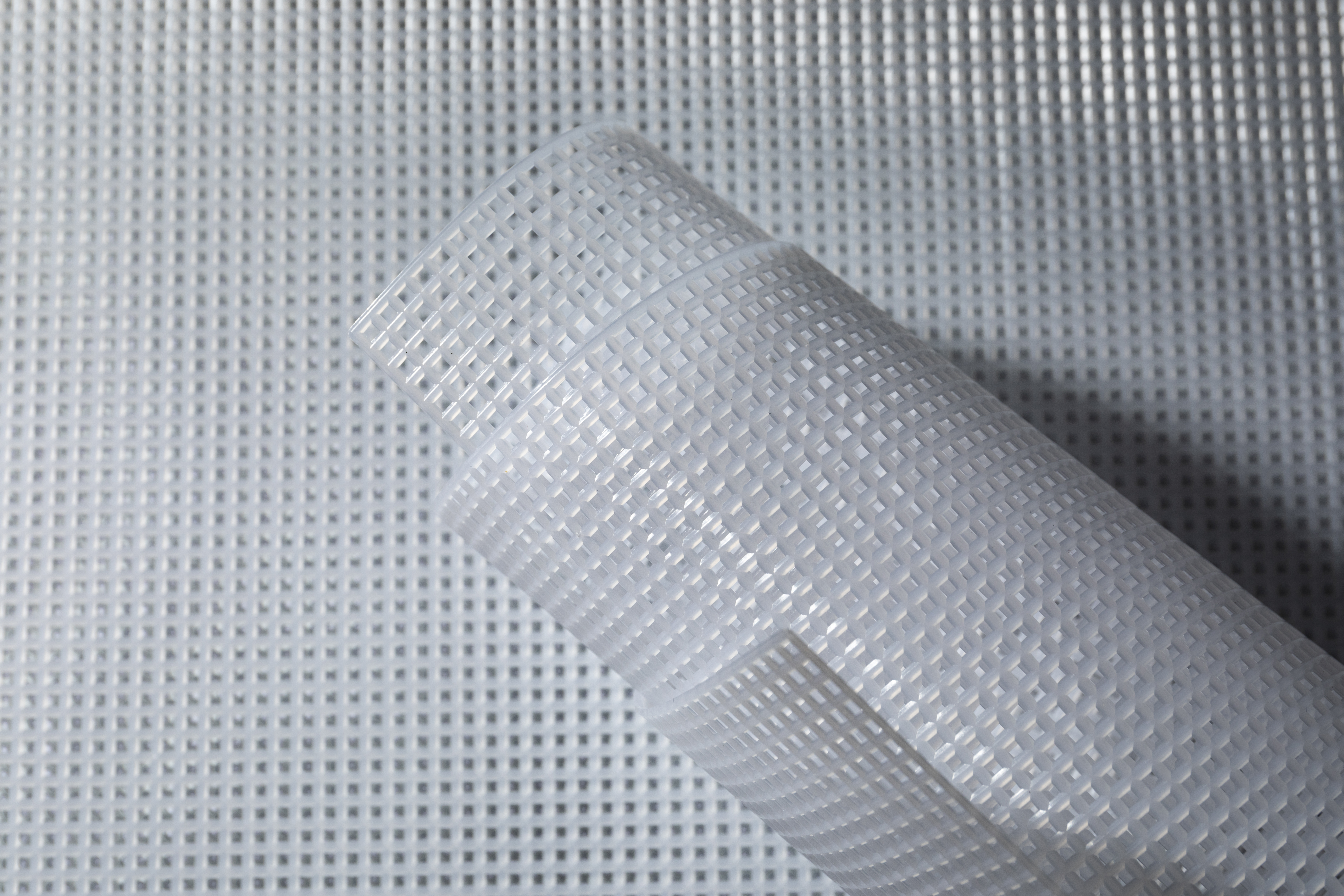


The modern food supply chain requires increasingly high standards in terms of hygiene, traceability, durability and sustainability. Secondary packaging — that used for transport, handling and logistics of pre-packaged products — plays a strategic role in protecting the content and optimising industrial processes.
In this context, corrugated polypropylene stands out as one of the most innovative and functional materials for producing reusable containers and separators for the food sector.
What secondary packaging is and why it matters
Secondary packaging does not come into direct contact with food, but protects it during transport and storage. Think trays, boxes or containers that carry individual packs of yoghurt, canned goods or baked products. This type of packaging must:
● Withstand impacts and compression to maintain the integrity of the primary packaging.
● Be easy to clean and sanitise, in compliance with sector regulations.
● Reduce waste and guarantee multiple cycles of use.
Corrugated polypropylene meets all these requirements, positioning itself as a technical and sustainable alternative to disposable or low-durability materials.
The advantages of corrugated polypropylene
Corrugated polypropylene is a multi-layer structure composed of two outer compact surfaces and a central air-cell core. This configuration ensures:
● Lightness: reduces overall packaging weight, optimising transport costs.
● Mechanical strength: withstands impacts, vibrations and pressure without deforming.
● Waterproofing: repels moisture and liquids, ideal for food environments.
● Hygiene: smooth surfaces are easy to clean and do not retain bacteria.
● Durability: can be used for hundreds of cycles without losing its properties.
A sustainable and circular choice
One of the main strengths of polypropylene is its recyclability. Containers and separators made from this material are mono-material, making end-of-life collection and recycling easier. Being reusable, they actively help reduce the consumption of disposable packaging.
Innepla is committed to developing solutions that not only optimise logistics processes but also reshape the supply chain through circular-economy principles, thanks to intelligent and sustainable materials.
Practical applications
Secondary PP packaging is perfectly suited to various needs in the food industry:
● Internal transport containers for packaging lines.
● Die-cut separators to protect jars, cans, bottles or trays.
● Foldable boxes to facilitate reverse logistics.
● Reusable trays for fast handling in warehouses.
Every solution is customisable in size, colour and finish to match the standards of each operator.
Choosing secondary polypropylene packaging for food means investing in an efficient, durable and low-impact packaging system. Innepla provides its technical expertise to develop tailored, high-performance and sustainable containers.
Contact us to request a consultation or to develop your customised project. Your food supply chain deserves smart solutions.
We are here to find the right solution for you.
Contact us to learn more about our products and services. Our team is always available to help you choose the packaging solution that best suits your needs, offering personalized support and consultation.
Contact us