




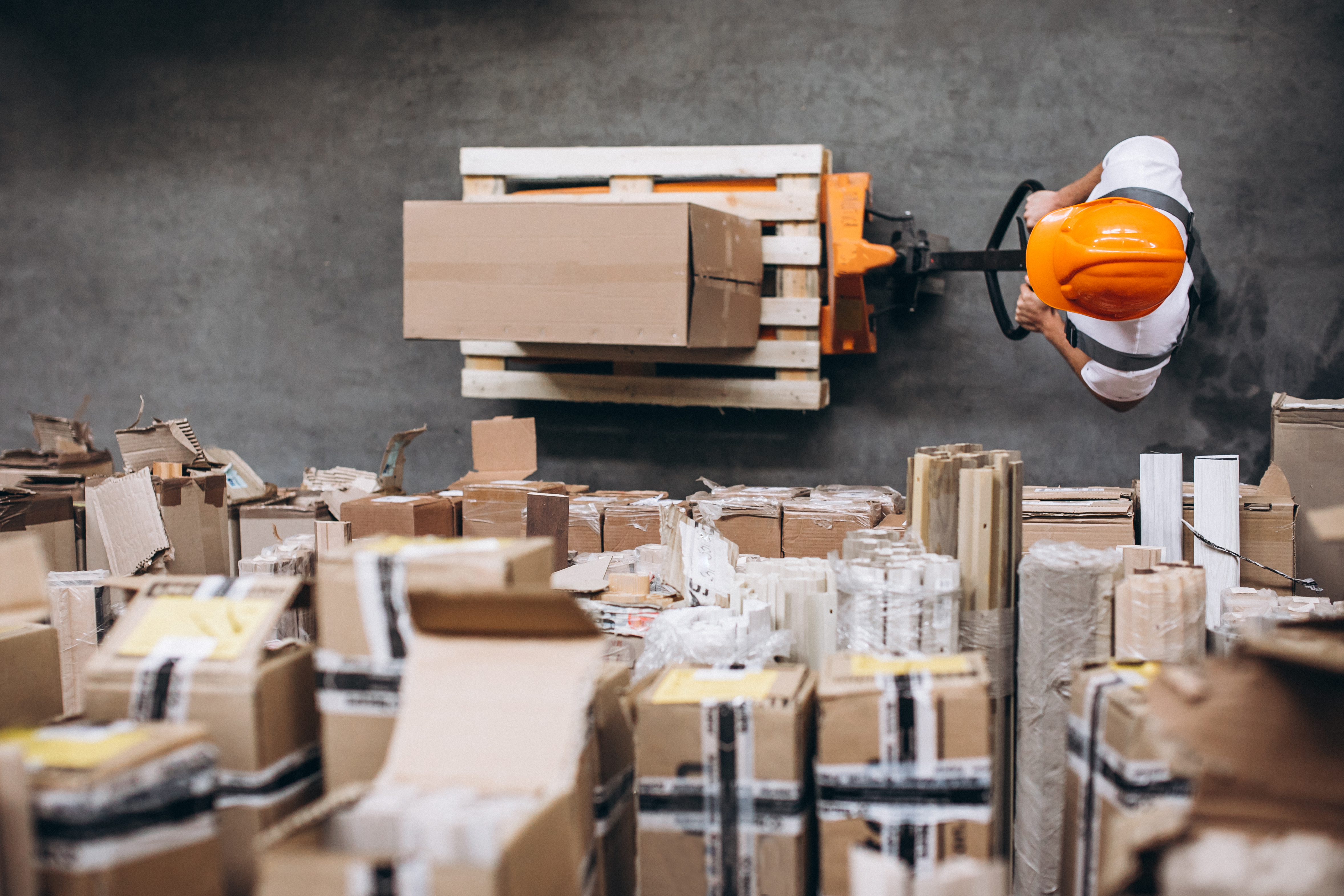


Reducing operating costs is not just about finding the lowest price for each piece of packaging. For many industrial companies, the real savings come from packaging that lasts over time, protects products better, simplifies handling and reduces waste. Reusable packaging therefore pays off when it is part of repetitive, organised and measurable logistics flows.
When single-use packaging becomes a hidden cost
Single-use packaging may look cheap at the point of purchase, but it generates ongoing costs: reordering materials, managing waste, disposal, frequent replacements and a higher risk of damage. If a company moves components, semi-finished products or packaged goods every day, these costs repeat with every cycle.
Reusable packaging reduces this effect because it is designed to accompany the product through many handling operations. The initial cost is spread over a larger number of uses, improving the cost per cycle.
Where operational savings come from
Savings do not depend on reuse alone. A properly designed container can reduce damage, rework, returns and handling time. Custom dividers, divider grids and inserts keep components separated and organised, preventing knocks, scratches and abrasion during transport and internal handling.
The weight of the packaging also affects costs. Lightweight solutions make loading, unloading, picking and transfers between departments easier. In high-turnover warehouses, this everyday efficiency can have a real impact on productivity.
The role of Innepla honeycomb PP
Honeycomb polypropylene is particularly well suited to reusable packaging because it combines lightness, mechanical strength, water resistance and recyclability. Innepla develops containers and custom solutions in honeycomb PP for industrial logistics, designed to fit specific products, flows and processes.
One of the most suitable solutions is EVO Concept®, a reusable container that adapts to industrial logistics packaging systems. It can include side openings, custom doors, internal divider grids and protective elements to improve access, organisation and the safety of goods.
When it really pays off
Reusable packaging genuinely reduces operating costs when there are frequent, predictable cycles. It is especially effective in flows between plants, suppliers, production departments and warehouses, where the container is recovered and put back into circulation.
The benefits increase when the packaging is tailored to the product: less empty space, better protection, faster picking and less damage. Conversely, if the flow is occasional or the container never comes back, the advantage of reuse may be more limited.
Sustainability and end of life
Reusable packaging also helps reduce waste by limiting the use of disposable packaging. Innepla follows an approach based on reduction, reuse and recycling, built on the use of polypropylene and Bubble Guard® technology to produce lightweight sheets with a honeycomb core.
Exploring the Innepla sustainability section can help link operational savings to a broader vision: less waste, longer service life and materials designed to be managed responsibly at the end of their life.
A choice to measure over the full cycle
Reusable packaging pays off when it is assessed over the full cycle: purchase, service life, number of uses, protection, handling, storage and end of life. For companies running repetitive industrial flows, Innepla's honeycomb PP solutions turn packaging from a simple consumable cost into an operational lever for reducing waste, damage and inefficiency.
We are here to find the right solution for you.
Contact us to learn more about our products and services. Our team is always available to help you choose the packaging solution that best suits your needs, offering personalized support and consultation.
Contact us