




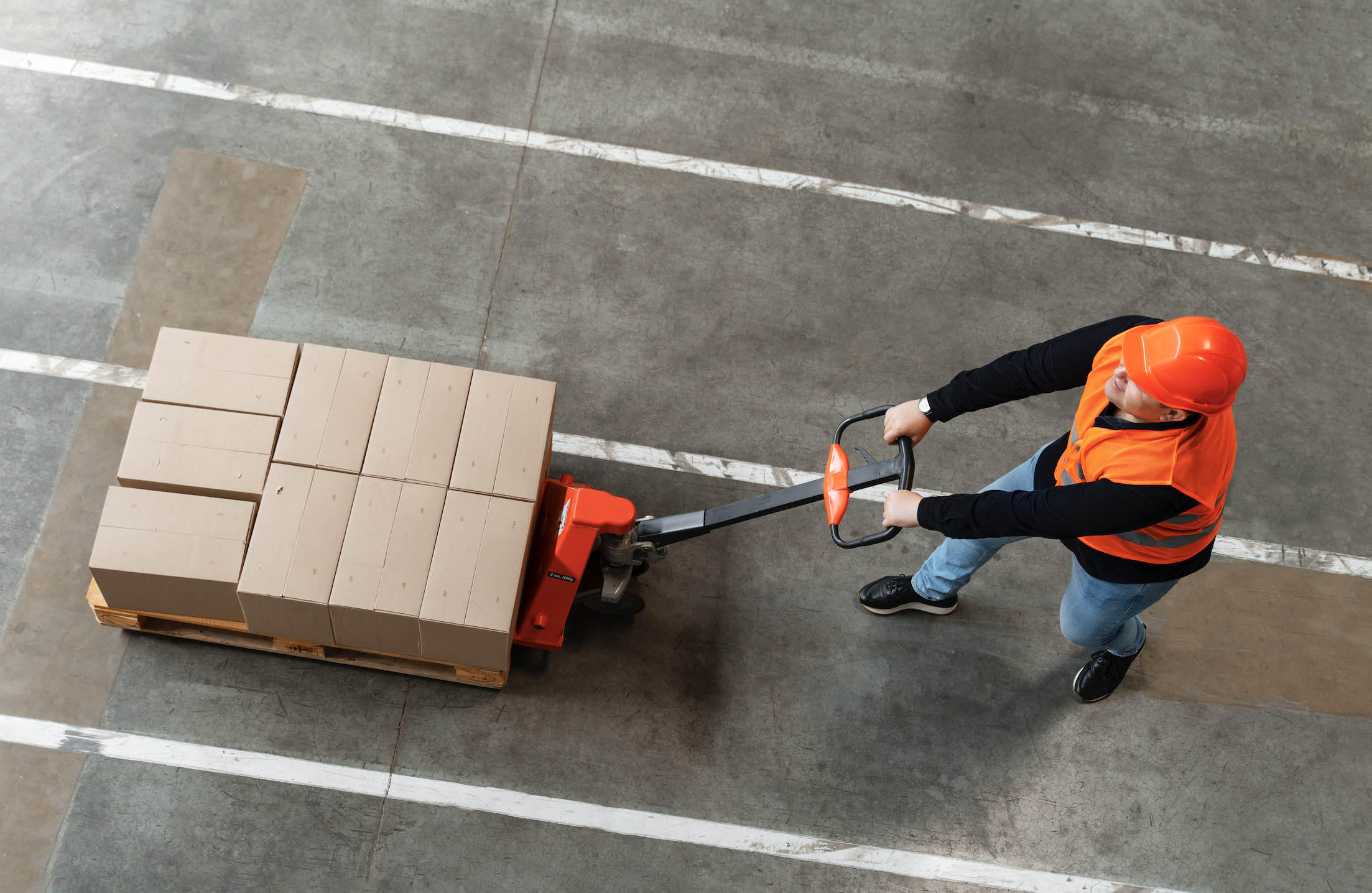


Choosing industrial containers for repeated logistics cycles means assessing strength, durability, weight, protection and ease of handling. When a container is used again and again along the supply chain, it can no longer be treated as simple packaging: it becomes an operational tool that carries materials, components and products between production, warehouse, transport and empty return.
For companies managing continuous B2B flows, the choice of container affects costs, lead times, internal organisation and the sustainability of the whole process.
Assess how often the logistics cycle repeats
The first criterion is frequency of use. A container intended for only a few trips may have very different requirements from one used every day between production departments, suppliers, plants and customers.
In repeated logistics cycles, the container must withstand loading, unloading, stacking, internal handling, transport and storage. If the material wears out quickly, the risk of frequent replacements, damaged products and operational slowdowns increases.
Protecting the contents
An effective industrial container must protect what it carries. Mechanical components, semi-finished products, packaged goods, automotive parts or delicate materials may require dedicated interior solutions.
Dividers, divider grids, separators and shaped inserts keep each item in the right position, reducing impacts, scratches and abrasion. Interior protection is especially important when products have sensitive surfaces or must reach the next stage of the process undamaged.
Weight and ease of handling
Strength should not come at the cost of excessive weight. A container that is too heavy slows down picking, loading, unloading and manual handling. In high-turnover flows, lightness becomes a real advantage because it improves ergonomics and reduces operator strain.
Honeycomb polypropylene is an interesting option because it allows containers to be light, strong and reusable. The honeycomb structure provides rigidity and protection while keeping weight down.
Optimise space and empty returns
Another decisive factor is how the container is managed when empty. Stackable, modular or collapsible solutions reduce the space taken up in the warehouse and optimise return transport.
This is particularly useful in closed or semi-closed supply chains, where containers regularly return to their starting point. Reducing the volume of empties means better vehicle load factors and more free operating space.
Customisation and process integration
Standard containers do not always meet production and logistics requirements. A custom solution can be designed around the size, weight and fragility of the product and the way it is handled.
Openings, handles, labels, colours, dividers and formats can all be specified to make picking, traceability and storage easier. Innepla's honeycomb polypropylene solutions are designed to adapt to a wide range of industrial flows, with customisable containers that protect and organise materials along the entire logistics chain.
Sustainability and total cost of ownership
Choosing industrial containers means looking at the total cost, not just the purchase price. A reusable, recyclable container can reduce reliance on single-use packaging, cut waste and spread the investment over many cycles.
This is why honeycomb PP is well suited to industrial settings that need efficiency, durability and sustainability. Choosing industrial containers for repeated logistics cycles therefore means investing in a system that is more organised, more robust and more cost-effective in the medium to long term.
We are here to find the right solution for you.
Contact us to learn more about our products and services. Our team is always available to help you choose the packaging solution that best suits your needs, offering personalized support and consultation.
Contact us